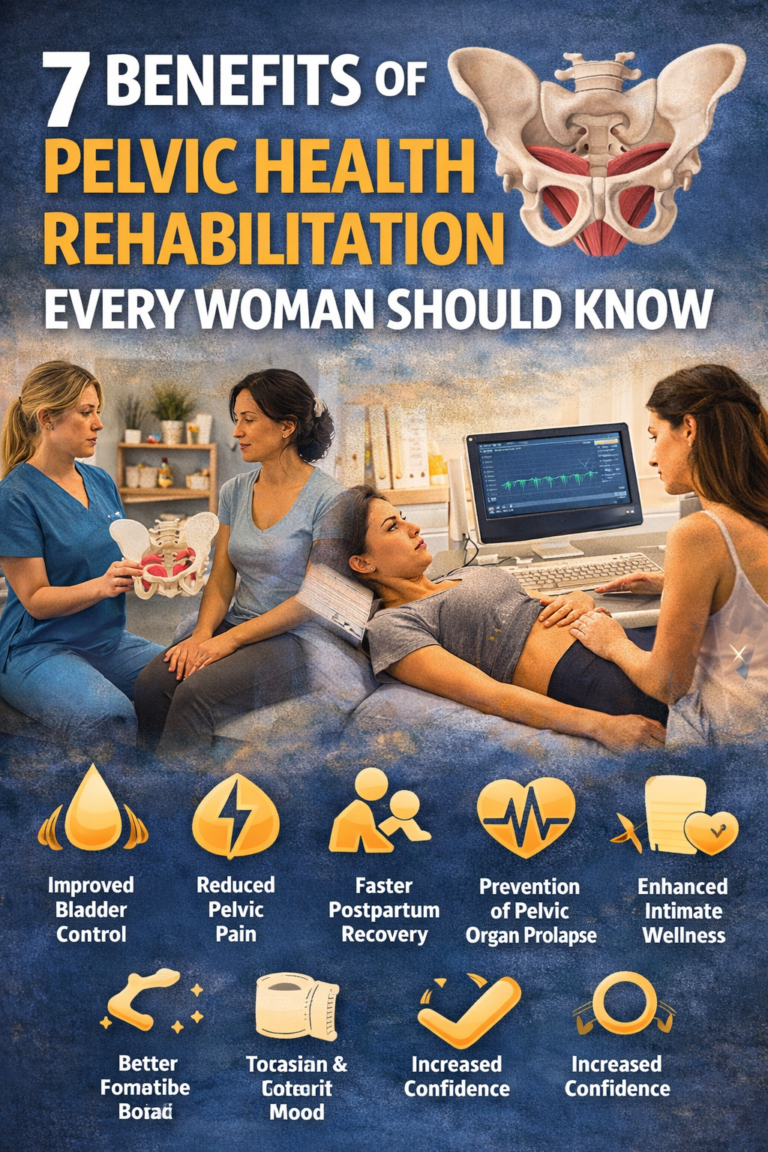
Pelvic health rehabilitation is one of the most effective yet underutilized treatments available for women experiencing pelvic floor dysfunction. Whether you’re dealing with urinary incontinence, pelvic pain, or recovery after childbirth, pelvic health rehabilitation offers a non-invasive path to relief and restored function.
Many women suffer in silence, unaware that specialized therapy exists to address their concerns. The pelvic floor is a group of muscles that support the bladder, uterus, and bowel. When these muscles weaken or become damaged, everyday activities can become challenging and uncomfortable. Pelvic health rehabilitation targets these muscles through exercises, manual therapy, and education to restore strength and function.
In this guide, we explore 7 essential benefits of pelvic health rehabilitation that every woman should know.
1. Improved Bladder Control
Urinary incontinence affects millions of women worldwide, yet many consider it an unavoidable part of aging or motherhood. This is simply not true. Pelvic health rehabilitation directly addresses the muscular weakness that causes bladder leakage.
Through targeted exercises like Kegels and biofeedback training, pelvic health rehabilitation strengthens the muscles responsible for bladder control. Women learn to identify and engage the correct muscles, building strength over time. Many patients experience significant improvement within weeks of consistent therapy.
The embarrassment of unexpected leakage during exercise, laughing, or sneezing can be eliminated. Pelvic health rehabilitation gives women back the confidence to participate fully in life without fear of accidents.
2. Reduced Pelvic Pain
Chronic pelvic pain affects women of all ages and can stem from various causes including endometriosis, childbirth trauma, surgery, or muscle tension. Living with constant discomfort impacts every aspect of daily life, from work performance to intimate relationships.
Pelvic health rehabilitation addresses pain through multiple approaches. Manual therapy techniques release tight muscles and trigger points. Stretching exercises improve flexibility and reduce tension. Education about posture, movement patterns, and relaxation techniques helps women manage symptoms long-term.
Unlike medication that masks symptoms, pelvic health rehabilitation treats the underlying cause of pain. Many women find lasting relief after completing a rehabilitation program, reducing or eliminating their dependence on pain medications.
3. Faster Postpartum Recovery
Pregnancy and childbirth place enormous strain on the pelvic floor. The weight of a growing baby stretches muscles and connective tissue. Vaginal delivery can cause tearing, bruising, and significant muscle trauma. Even cesarean births affect pelvic floor function due to pregnancy-related changes.
Pelvic health rehabilitation accelerates postpartum recovery by systematically rebuilding strength and function. Specialized exercises restore muscle tone gradually, preventing further damage from returning to activities too quickly. Therapists guide new mothers through safe progression, ensuring full recovery before resuming exercise or intimacy.
Women who participate in postpartum pelvic health rehabilitation report faster return to normal activities, reduced pain, and fewer long-term complications like prolapse or incontinence. Starting rehabilitation early in the postpartum period yields the best results.
4. Prevention and Treatment of Pelvic Organ Prolapse
Pelvic organ prolapse occurs when weakened pelvic floor muscles can no longer support internal organs, causing them to drop from their normal position. Symptoms include pelvic pressure, bulging sensations, and difficulty with bladder or bowel function. This condition affects many women, particularly after childbirth or menopause.
Pelvic health rehabilitation serves both preventive and treatment purposes for prolapse. For women at risk, strengthening exercises build muscular support before problems develop. For those already experiencing prolapse, rehabilitation can reduce symptoms and slow progression, sometimes eliminating the need for surgery.
Therapists teach women how to protect their pelvic floor during daily activities. Proper lifting techniques, breathing patterns, and movement strategies reduce pressure on weakened structures. This education empowers women to take active control of their pelvic health for years to come.
5. Enhanced Intimate Wellness
Pelvic floor dysfunction significantly impacts intimate relationships. Pain during intercourse, reduced sensation, and muscle tightness create physical and emotional barriers to intimacy. Many women feel embarrassed discussing these issues, leading to prolonged suffering and relationship strain.
Pelvic health rehabilitation addresses intimate wellness directly and compassionately. For women experiencing pain, therapy identifies the source and implements targeted treatment. Tight muscles are released through manual therapy and stretching. Weak muscles are strengthened to improve sensation and response.
Therapists create safe, judgment-free environments where women can discuss sensitive concerns openly. Education about anatomy, arousal, and communication helps women understand their bodies and advocate for their needs. Many couples report dramatically improved intimate relationships following rehabilitation.
6. Better Bowel Function
The pelvic floor muscles play a crucial role in bowel control and elimination. Weakness or dysfunction can cause constipation, fecal incontinence, or difficulty emptying completely. These symptoms significantly impact quality of life and often cause embarrassment and social isolation.
Pelvic health rehabilitation improves bowel function through coordination training and muscle strengthening. Women learn proper elimination posture and techniques that reduce straining. Biofeedback helps patients understand how their muscles function and gain conscious control over previously automatic processes.
For women with constipation, rehabilitation addresses the muscular component that medications cannot fix. Learning to relax the pelvic floor appropriately during elimination resolves symptoms that may have persisted for years despite dietary changes and laxative use.
7. Increased Confidence and Quality of Life
Perhaps the most significant benefit of pelvic health rehabilitation is the overall improvement in confidence and quality of life. Pelvic floor dysfunction affects women physically, emotionally, and socially. The constant worry about leakage, pain, or embarrassing symptoms creates anxiety that limits participation in activities and relationships.
Completing pelvic health rehabilitation restores freedom. Women return to exercise without fear. They travel without mapping every bathroom. They engage in intimacy without pain. They lift their children and grandchildren without worry. These everyday activities, taken for granted by those without pelvic dysfunction, become possible again.
The psychological impact of regaining control cannot be overstated. Women report improved mood, reduced anxiety, and greater self-esteem following successful rehabilitation. Knowing that effective treatment exists and experiencing real results transforms how women view their bodies and their futures.
What to Expect During Pelvic Health Rehabilitation
Pelvic health rehabilitation begins with a comprehensive evaluation. A specialized therapist assesses muscle strength, coordination, and function through external and sometimes internal examination. This assessment identifies specific problems and guides treatment planning.
Treatment typically includes:
- Therapeutic exercises targeting pelvic floor strength and coordination
- Manual therapy to release tight muscles and improve tissue mobility
- Biofeedback providing visual or auditory feedback about muscle activity
- Electrical stimulation to activate weak muscles when needed
- Education about anatomy, posture, and lifestyle modifications
Sessions usually occur weekly, with home exercise programs prescribed between visits. Most women notice improvement within four to six weeks, with full rehabilitation taking several months depending on severity.
Who Should Consider Pelvic Health Rehabilitation?
Pelvic health rehabilitation benefits women experiencing:
- Urinary leakage during activity, coughing, or sneezing
- Frequent or urgent need to urinate
- Difficulty emptying bladder or bowel completely
- Pelvic pain or pressure
- Pain during intercourse
- Recovery from childbirth or pelvic surgery
- Symptoms of pelvic organ prolapse
- Chronic constipation unresponsive to other treatments
Women planning pregnancy also benefit from preemptive strengthening, reducing the risk of postpartum complications.
Finding the Right Care
Pelvic health rehabilitation requires specialized training beyond general physical therapy. When seeking treatment, look for therapists with specific pelvic floor certifications and experience treating women’s health conditions.
Quality clinics like PK Women’s Specialist Clinic offer comprehensive women’s health services, including evaluation and treatment for pelvic floor concerns. Working with specialists who understand the unique needs of women ensures the best possible outcomes.
Final Thoughts
Pelvic health rehabilitation offers proven, effective treatment for conditions that many women believe they must simply endure. From improved bladder control to enhanced intimate wellness, the benefits are life-changing.
If you’re experiencing pelvic floor symptoms, know that help exists. You don’t have to suffer in silence or accept limitations on your activities and relationships. Pelvic health rehabilitation can restore function, eliminate pain, and give you back the confident, active life you deserve.
Take the first step today by consulting with a women’s health specialist about whether pelvic health rehabilitation is right for you.